Buyer guide
Niche or mass-market fragrance: what changes at the factory
Niche and mass-market fragrance can come off the same filling line. What changes is the brief: the oil level and quality, how much the bottle is decorated, the number of scents, the size of each batch, and how much testing the channel asks for. Deciding where your range sits early keeps the price and the calendar realistic.
What the two words mean
Niche usually means a brand built around fragrance itself: fewer outlets, higher prices, more unusual scents and a story about ingredients or the perfumer. Mass-market means a brand or retailer selling widely: supermarkets, pharmacies, fashion and value chains, often with fragrance as one category among many.
Between them sit the brands most factories actually work with: fashion labels, creator brands, licensed gift ranges and retailer own brands.
What changes in the brief
| Niche | Mass-market | |
|---|---|---|
| Oil level | Often eau de parfum or higher | Eau de toilette, body mist, eau de parfum in smaller sizes |
| Number of scents | Several, each in smaller batches | Fewer, each in larger batches |
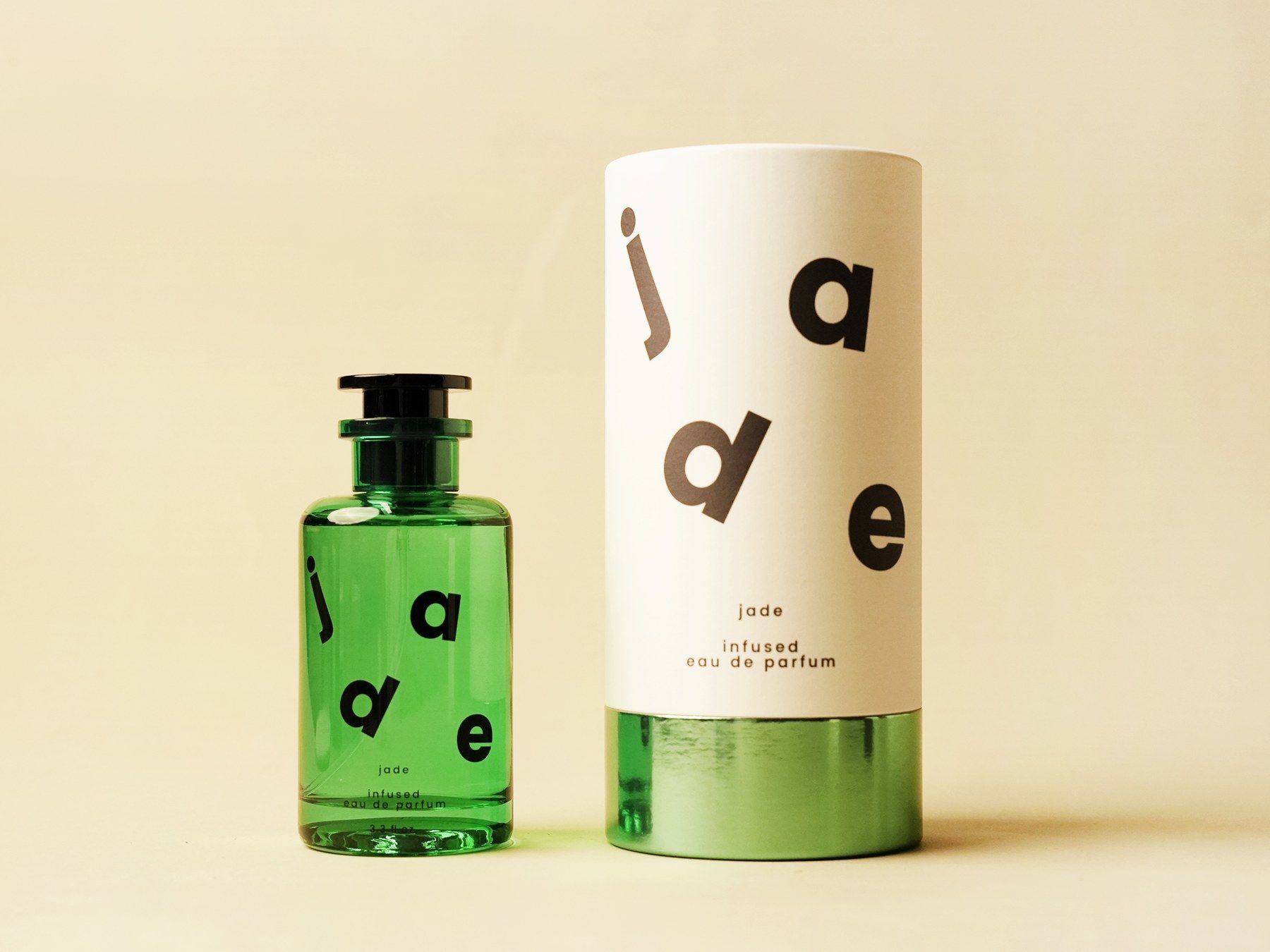
| Bottle | Often a heavy or custom bottle, more finish layers | Stock bottle with the brand’s own finish and cap |
| Testing | Brand specification | Retailer specification, often stricter on documents and audits |
| Calendar | Driven by the brand | Driven by the retailer’s range review |
Where the money goes
Many brands assume the fragrance oil decides the price. It rarely does. The oil level is not high and the oil is a small part of the unit cost. The bottle, and above all the finish on it, usually decide the price: spray coating, frosting, hot foil, printing and the cap each add a layer. A more refined oil costs less than one more finish.
That has a practical side. If the price must come down, look at the decoration before you look at the scent. The scent is what the customer notices.
Batch size and scent count
Each scent needs its own batch of juice and its own run on the filling line. Ten scents in small runs cost more per unit and take longer than three scents in larger runs. A niche range often starts with a few scents and adds more once one of them sells.
Which suits a new brand
Most new brands sit closer to the middle: a stock bottle with their own finish and cap, an eau de parfum, two or three scents to start. It looks like their own product and keeps the calendar short. See OEM or ODM for how the development route changes the picture.
Questions buyers ask
Is niche perfume made differently?
The process is the same: mixing, maceration, filling and testing. The differences are in the oil chosen, the oil level, the packaging and the batch size.
Does a more expensive oil make the product much more expensive?
Less than most brands expect. The oil is rarely the biggest part of the unit cost. The bottle finish and the cap usually move the price more.
Which retail channel needs the most paperwork?
Large retailers. They audit the supplier and ask for full documents per product. Our plant is audited by retailers such as NEXT, Carrefour and Watsons.
Last updated . Reviewed by Tang Guoqiang, OEM/ODM Sales Manager at YFF Cosmetics.
Send us your brief
Tell us the product, the market and the launch date. Tang Guoqiang reads every enquiry himself and replies by email.