Buyer guide
Where fragrance oil is made, and what imported really means
A fragrance oil is created in one place and compounded in another. The perfumer writes the formula at a creative centre, which could be in Grasse, Paris, New York, Shanghai or Singapore. The oil itself is usually weighed and mixed at the fragrance house's compounding plant nearest the filling factory. For perfume filled in China, that is usually a plant in China.
Two steps, often two countries
Creation. A perfumer writes the formula: a list of ingredients and their amounts. The large fragrance houses have creative centres around the world, so the formula may be written far from where it is used.
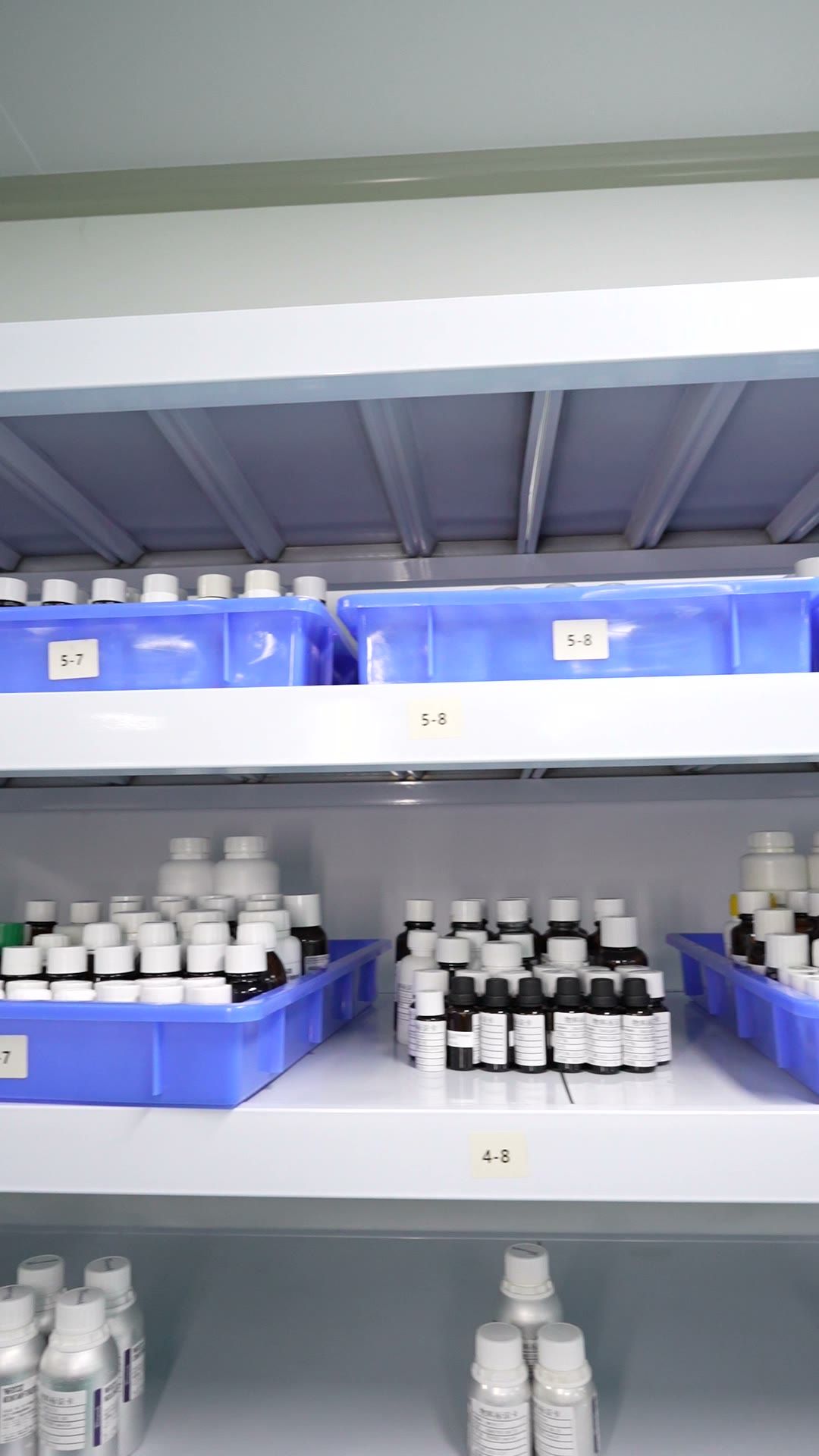
Compounding. The formula is weighed and mixed into finished fragrance oil at a compounding plant. The large houses run compounding plants in China, as in other big markets, to supply local filling factories.
So “French perfume oil” usually describes where a formula was created, or where the company is based, not where the drum of oil was filled.
The houses are not all French
A common assumption is that the big names are French. Givaudan and dsm-firmenich are Swiss, IFF is American, Symrise is German and Takasago is Japanese. MANE and Robertet are French.
Two meanings of “imported oil”
- Imported ingredients, oil compounded in China. This is the normal case. Some ingredients, including a house’s own patented molecules and many natural materials, are made abroad and shipped in. The finished oil that goes into our tank is compounded in China.
- Imported finished oil. The oil is ordered from a plant abroad and imported in drums. This is the exception, and it adds duty, freight, customs time and a longer reorder cycle.
What may go on the pack
Where the product is made and where the oil comes from are separate claims.
- The product label must say Made in China for product made in China. Printing another country can lead to inspection, fines and goods held at the port, and the factory carries that risk.
- Saying where the design was done is common and accepted, for example “Designed in the UK, Made in China”.
- A statement about where the oil comes from on the bottle or pack is read as a country of origin claim. We only consider it with full supporting documents and a label review, so raise it before artwork starts.
What you get either way
Whatever house supplies the oil, it comes with its documents: an IFRA certificate, the safety data sheet and the allergen declaration. We check them before the oil is used. For what the factory supplies on top, see import documents.
Questions buyers ask
Do you use oils from the major fragrance houses?
Yes. We buy fragrance oil from the major international fragrance houses and from established Chinese houses. We do not make fragrance oil ourselves.
Can our pack say the oil is from France?
Only in narrow cases, with full supporting documents, and never as the product's country of origin. The product label must say Made in China. Ask us before you design the pack.
Why does imported oil take longer?
Oil compounded abroad and shipped as finished oil adds weeks of freight and customs to every reorder. Oil compounded locally takes days. If the oil runs out, the filling line stops, so reorder time matters.
Last updated . Reviewed by Tang Guoqiang, OEM/ODM Sales Manager at YFF Cosmetics.
Send us your brief
Tell us the product, the market and the launch date. Tang Guoqiang reads every enquiry himself and replies by email.